Torrance sits at 89 feet above sea level, but its subsurface tells a different story—layered alluvium, ancient marine terraces, and pockets of soft clay left by the Dominguez Channel watershed. For any excavation deeper than 12 feet, active and passive anchor design becomes the make-or-break factor in shoring stability. The 2019 Ridgecrest sequence, felt across LA County, reminded local engineers that locked-in tieback loads shift when the ground shakes. Our team correlates site-specific SPT blow counts with anchor bond length. We design grouted anchors that transfer tension into competent strata well below the weathered zone, using IBC Chapter 18 and ASCE 7-22 load combinations. Torrance projects demand anchors that hold in both dry summer earthmoving and winter groundwater spikes near the coast. We deliver that reliability without overdesigning the bonded length.
In coastal Torrance, active anchors get locked off at 80 percent of design load to eliminate wall deflection before the first backfill layer.
Service characteristics in Torrance
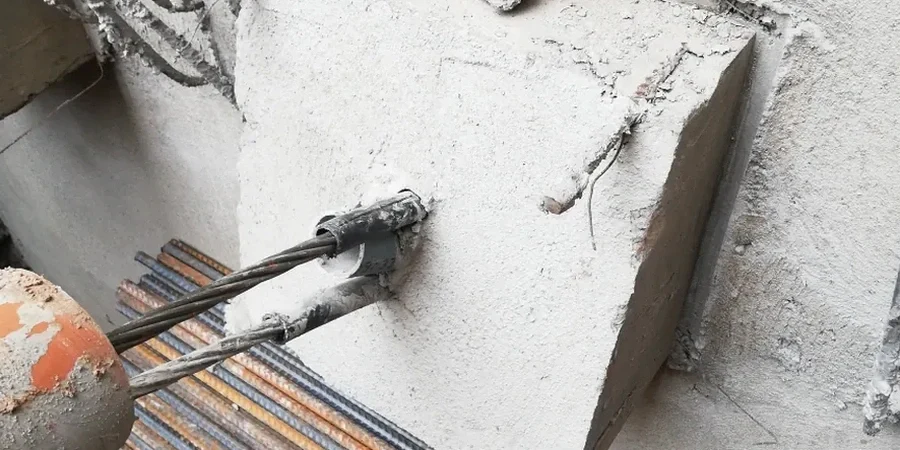
Local geotechnical conditions in Torrance
In Torrance, we frequently see anchor failures traced back to one thing: underestimated groundwater perched on the Palos Verdes Sand lenses. A contractor installs a tieback, grouts it under pressure, and six months later the bond zone is saturated and losing grip. The risk multiplies when passive anchors are placed too close to property lines—if the wall deflects more than half an inch, the neighbor calls their lawyer. We review boring logs for water table depth before selecting bonded length. Another local pitfall is anchor interference with existing utilities along Crenshaw Boulevard; a 30-degree inclined drill can strike a fiber optic line if the as-built records are off by three feet. We specify potholing at every anchor location before the drill rig moves in.
Our services
Anchor design for Torrance projects includes two service levels. Each covers the full design package with stamped calculations and construction specifications.
Active anchor design package
Full design of pre-stressed tiebacks for permanent retaining walls. Includes bond length calculation, tendon selection, stressing sequence, and proof test criteria calibrated to Torrance soil profiles.
Passive anchor and soil nail design
Design of passive tiebacks and soil nails for temporary excavations. Suitable for sites where moderate wall deflection is acceptable. Includes nail spacing, facing design, and drainage details.
Common questions
How much does active/passive anchor design cost for a Torrance project?
Our anchor design packages for Torrance projects typically run from US$1,070 to US$3,410, depending on the number of anchors, wall height, and whether active or passive systems are specified. A single-family lot retaining wall design falls on the lower end; a multi-level commercial excavation with 40+ tiebacks is at the upper range.
When should I choose active anchors over passive anchors in Torrance?
Active anchors are the right choice when you cannot tolerate any wall movement—think adjacent buildings, bridge abutments, or hospital foundations. The anchor is pre-stressed after grouting to lock in tension, so the wall never deflects. Passive anchors work for temporary cuts where a quarter-inch of movement won't cause damage, and they cost less because there is no stressing procedure.
What soil conditions in Torrance affect anchor bond strength?
Torrance has layered deposits of sandy silt, clayey sand, and occasional gravel lenses from the old alluvial fan systems. Bond strength varies dramatically—clean sand above the water table gives excellent grout-to-soil friction, but saturated silts near the Dominguez Channel require longer bonded lengths. We use SPT data to estimate unit bond stress per the PTI recommendations before finalizing any design. More info.