In Torrance, shallow foundation design isn't a copy-paste exercise. The city spans old dune sands near the coast and dense alluvial silts further inland, and that variability directly impacts bearing capacity assumptions. ASCE 7-22 and the California Building Code (based on IBC 2021) set strict requirements for seismic soil-structure interaction, and the Torrance Planning Department expects site-specific reports before issuing permits. We run the full ASTM suite — D1586 SPT borings, D2487 soil classification, and consolidation tests — to nail down the allowable bearing pressure. A CPT test gives us continuous tip resistance and sleeve friction logs without disturbing the sample, which is critical when you're working in the loose sands common west of Hawthorne Boulevard. For projects near the Madrona Marsh or the refineries, we also check for perched groundwater and chemical compatibility before specifying a spread footing or mat foundation.
In Torrance, the difference between an over-excavated footing and a failed one often comes down to whether you tested the liquefaction potential of the sand layer at 12 feet.
Service characteristics in Torrance
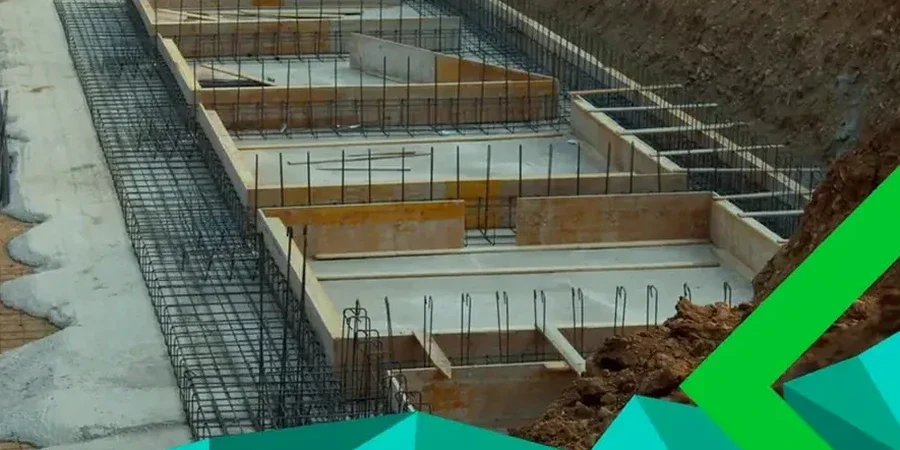
Local geotechnical conditions in Torrance
Coastal humidity combined with earthquake risk creates a unique challenge in Torrance. The marine layer keeps near-surface sands moist year-round, but that doesn't prevent them from losing strength when the Big One hits. The city sits roughly 8 miles from the Palos Verdes Fault and 12 miles from the Newport-Inglewood Fault, so the seismic hazard is real and well-documented in USGS maps. A shallow foundation on saturated loose sand can settle inches in seconds if pore pressure spikes during shaking. That's why we run cyclic direct simple shear tests or at minimum correlate SPT blow counts with Seed & Idriss liquefaction curves for every foundation report. In the hillside areas east of Crenshaw, we add slope stability checks because even a modest cut can unload the toe and trigger a translational slide if the footing isn't set back far enough from the crest.
Our services
Our shallow foundation work in Torrance covers everything from preliminary geotechnical evaluations to final construction-phase observations. We tailor every report to the specific conditions on your lot — not a generic template.
Spread Footing and Mat Foundation Design
We calculate bearing capacity, estimate total and differential settlement, and specify reinforcement for isolated footings, combined footings, and mat foundations. Each design package includes soil profile logs, SPT data, and a liquefaction assessment signed by a California-licensed geotechnical engineer.
On-Site Plate Load and Density Testing
For projects where the architect wants to push bearing pressures or where fill compaction needs verification, we mobilize a reaction frame and run ASTM D1194 plate load tests. We also perform sand cone density checks per ASTM D1556 to confirm 95% relative compaction before the concrete pour.
Common questions
What's the cost for a shallow foundation design report in Torrance?
For a typical single-family residential lot, a complete shallow foundation design package — including SPT borings, lab testing, bearing capacity analysis, and a stamped report — runs between US$2,080 and US$2,980. The final number depends on how many borings the Torrance Building Division requires and whether we need to add liquefaction or corrosion testing.
What's the difference between a spread footing and a mat foundation?
A spread footing distributes the column load through isolated pads, while a mat foundation is a single thick slab that supports multiple columns or walls. In Torrance, we often recommend mat foundations when the soil bearing capacity is low (under 2,000 psf) or when the site is in a liquefaction zone, because the mat can bridge small areas of differential settlement.
How deep do footings need to be in Torrance?
The California Residential Code sets a minimum of 12 inches, but we usually specify 18 to 24 inches for exterior footings to get below the zone of seasonal moisture fluctuation. In the coastal strip, we sometimes go to 30 inches to anchor into sands that are less affected by the daily marine layer wetting-drying cycle.
Is liquefaction a concern for shallow foundations here?
Yes, especially west of Hawthorne Boulevard where the water table can be within 10 feet of the surface and the soils are young dune sands. We follow the Seed & Idriss methodology to calculate the factor of safety against liquefaction and, if it's below 1.1, we either deepen the foundation or specify ground improvement.
How long does the design process take?
From the day we mobilize the drill rig, you can expect a draft report in 10 to 14 business days. Rush turnaround is available if your permit deadline is tight. The fieldwork itself usually takes one day for a standard two-boring investigation on a residential lot.